The Trademark Derby: Who Really Owns a Premier League Chant?
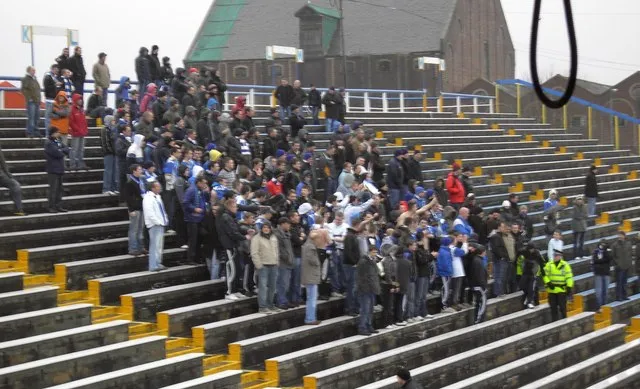
Photo: Colin Kinnear, CC BY-SA 2.0, via Wikimedia Commons
A chant is a strange kind of property. It belongs to everyone who has ever sung it and no one who wrote it down. It travels by coach, by group chat, by a phone held aloft in the away end. It changes in the telling. That is the point.
But this season, the informal economy of the terrace has met the formal economy of the club shop. Premier League clubs are trademarking terrace phrases, selling scarves with lyrics on them, and asking supporters to submit banners for approval. The songbook is being treated as an asset. Fans are not entirely convinced.
From terrace to trademark
The pattern usually starts with a clip. An away end sings something new. The clip does numbers. Within a fortnight, the phrase is on a hoodie, a mug or a flag. Within a month, someone in a legal department is wondering whether the club can register it.
This season I have spoken to fan groups at three top-flight clubs who say their songbook has become a brand meeting. One club registered a terrace phrase for clothing and headgear. Another began selling scarves featuring a lyric that originated in the stands. A third introduced a banner pre-approval form that asks supporters to describe the wording and intended location before matchday.
I am not naming the clubs here because some of the correspondence is live. The details matter less than the direction of travel. The chant is moving from the crowd to the catalogue.
The legal bit is messier than the merch
Trademark is not copyright. A club can apply to register a wordmark for goods and services if it is distinctive and not descriptive. But terrace chants are often generic, communal and already in use. The UK Intellectual Property Office can refuse an application, and other parties can oppose one. Proving that a club owns a song is not as simple as printing it on a scarf.
Copyright in lyrics is equally awkward. Who wrote the chant? The lad who started it? The away end that changed the second verse? The group that added the clap? Oral tradition does not leave a paper trail. Passing off is another route, but it requires confusion and goodwill, not just annoyance.
The law is not built for songs with 20,000 authors. That is why the fight feels less like a courtroom drama and more like a culture war with invoices.
The matchday stakes
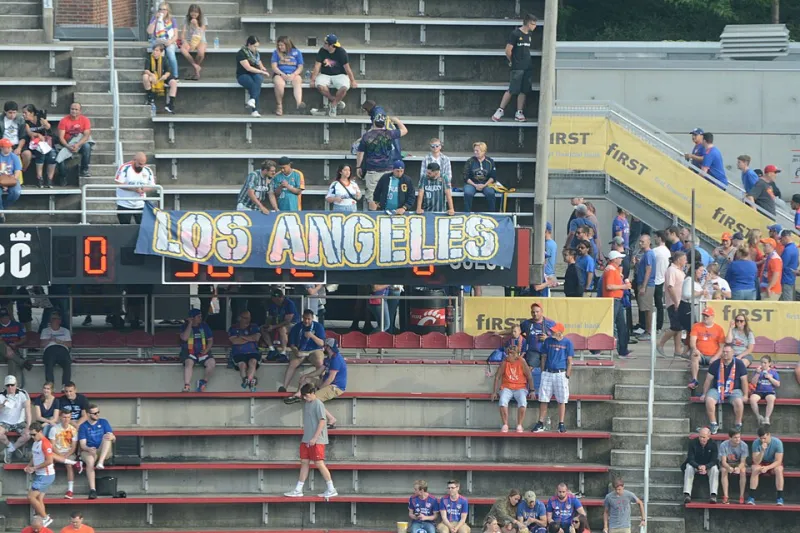
Banner policing is where the argument becomes visible. A rule against offensive or political banners is one thing. A rule that requires supporters to clear lyrics with the club is another. When a steward asks a fan to unroll a banner for inspection, the question is not just what the fabric says. It is who gets to decide.
Supporters at one club told me their singing section was asked to share lyrics in advance so the club could check for trademark issues. The section sang anyway. But the mood changed. A song that had been spontaneous became a negotiation.
That is the risk. A chant is powerful because it is unmanaged. It spreads because nobody can stop it. The moment it becomes licensed content, it stops doing the thing that made it valuable in the first place.
Why fans are pushing back
Supporters' trusts have started chant archives and open-source songbooks. Fan media has catalogued trademark applications. The Football Supporters' Association has warned clubs against monetising the matchday songbook without talking to the people who fill it.
This is not anti-commercial sentiment for its own sake. Fans accept that clubs sell scarves. They accept that badges and crests are protected. What they resist is the idea that a crowd's memory can be owned by a balance sheet. The chant is not a brand asset. It is a shared habit.
The Owl's verdict
Clubs can protect their badges. They can sell merchandise. They should not try to own the noise. The oral tradition survives because it is slippery, because it belongs to the stands, because it changes with every away end that borrows it.
If clubs want atmosphere, they should fund singing sections, not send legal letters. They should ask fans what they want, not tell them what they can sing. The chant is not for sale. Not because supporters are sentimental, but because the product is the crowd. And the crowd cannot be trademarked.