Dry Balls, Dirty Tricks: The Touchline Towel Economy Nobody Audited
There are two kinds of Premier League supporters. The first watches a ball roll out for a throw-in and sees a small pause in proceedings. The second watches the same moment and thinks: here comes the towel. This season, more than ever, the humble throw-in has acquired a support staff. A ball goes into the stand, a ball boy appears, a full-back points at a piece of fabric on the advertising hoarding, and somewhere a set-piece coach allows themselves a very small smile.
Is it a genuine marginal gain or just matchday theatre with extra laundry? The answer, annoyingly, is both. And the clubs know it.
The towel is not a towel
At grounds across the country, the towel has become a tactical accessory. It is draped over a hoarding, tucked under a ball boy's seat or folded neatly beside a cool box like a spa amenity. Nobody officially owns it. Nobody officially instructs anyone to use it. And yet it is always there, in the exact spot where the home side's long-throw merchant likes to run up.
The logic is not complicated. A dry ball travels truer. A dry ball is easier to grip. A dry ball does not slip out of a hand at the critical moment and turn a carefully rehearsed routine into a comedy own goal. In a league where the difference between sixth and twelfth is often a single set-piece goal, that is not nothing. Clubs spend millions on analysts, nutritionists and sleep coaches. Of course they are going to spend twenty quid on a towel.
What makes it funny is the pantomime. The thrower signals for the towel like a spin bowler asking for a different ball. The ball boy sprints over with the urgency of a medical emergency. The opposition full-back stands nearby with the expression of a man who has just realised his afternoon is going to involve a lot of aerial duels. The crowd, who have seen this film before, gives a little murmur of anticipation. It is the smallest drama in football, and it plays out every week.
The long-throw industrial complex
Brentford deserve the credit for making the long throw feel like a proper weapon again. Their set-piece department treats the touchline like a corner flag, and the rest of the league has noticed. Everton have their own version. Liverpool have used it in bursts. Newcastle can make a throw-in feel like a siege. Even clubs who prefer to keep the ball on the floor have a specialist tucked away somewhere, usually a full-back with a lovely straight run-up and a slightly apologetic expression.
The modern long throw is not just a heave. It is a routine. There are blockers, decoys, flick-ons and second-ball plans. The thrower has a run-up. The centre-backs have starting positions. The goalkeeper has a decision to make. It is a corner from the touchline, minus the flag and plus a towel. And like all set-pieces, it lives or dies on detail. A wet ball is the enemy. A dry ball is the edge.
A fan-led ranking of the dampest offenders
This is not a spreadsheet. It is a vibe-based audit from the stands, which is the only honest way to rank something this silly. The criteria: towel visibility, ball-boy choreography, crowd anticipation when the ball goes out, and whether the thrower looks personally offended by the rain.
-
Brentford. The gold standard. The towel is practically a squad member. The long throw is a genuine tactic, not a bit. Opponents know it is coming and still look surprised.
-
Everton. A club that has always understood the value of a set-piece. Goodison and now the new place have both seen a throw-in treated like a chance. The towel is deployed with proper seriousness.
-
Liverpool. Not the most frequent offenders, but when they decide a throw-in matters, it really matters. The ball-boy operation is slick and the crowd responds like a corner is about to be taken.
-
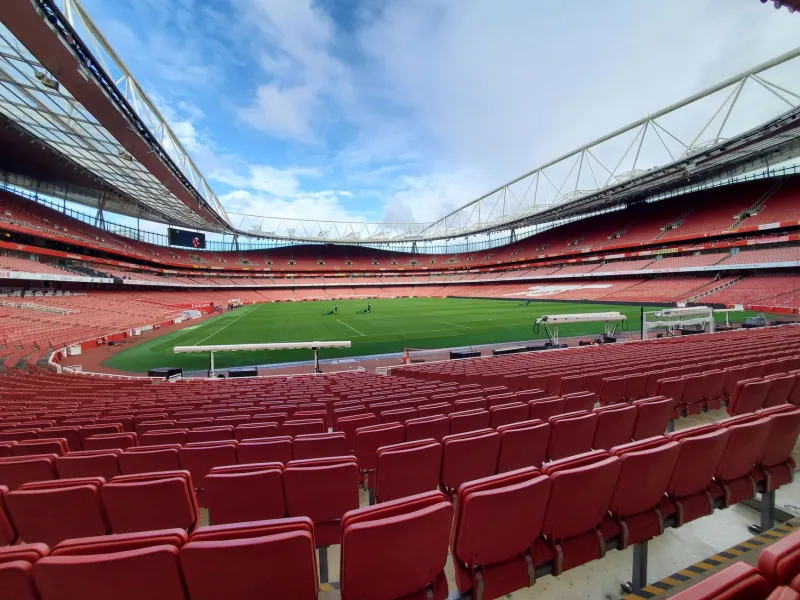
Arsenal. The towel is neat. The routine is neater. There is a strong sense that someone has been asked to produce a PowerPoint on it.
-
Newcastle. Less towel, more chaos. The long throw here feels like an extension of the general atmosphere: loud, direct and slightly intimidating.
-
Brighton. Surprisingly high on the list. A club associated with pretty football has quietly learned to enjoy a damp-ball scrap.
-
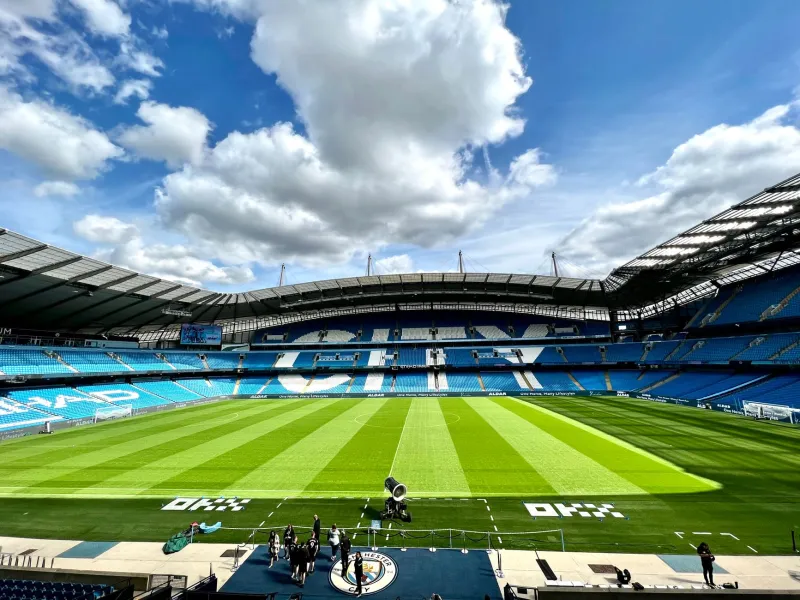
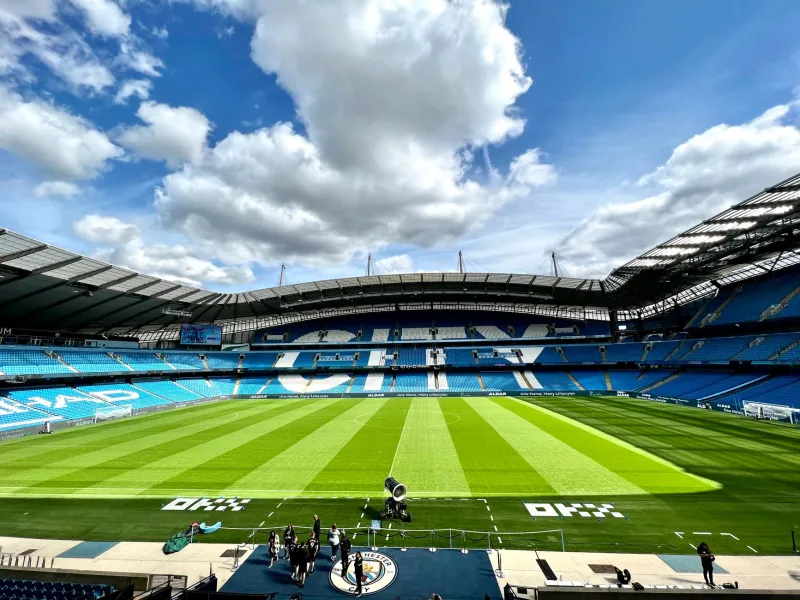
Manchester City. They do not need towels. They have possession. But when the ball goes out, the choreography is still immaculate. It is the towel equivalent of a luxury car indicator.
-
Crystal Palace. The crowd loves a long throw. The players know it. The towel is almost a stage prop.
-
Fulham. By the river, the ball is often wet anyway. The towel is less a tactic and more a public service.
-
Nottingham Forest. A club with a rich history of direct football and a fanbase that appreciates a bit of shithousery. The towel fits.
The rest of the league? Wolves, West Ham, Bournemouth and the others all have their moments. But the top ten are the ones who have turned the throw-in into a small event. You know who you are.
When the theatre swallows the edge
Here is the uncomfortable truth. Most towels do not change a match. A long throw is a low-percentage play. It creates chaos, and chaos occasionally creates a goal, but it is not a free-kick from twenty yards. The real marginal gain is psychological. A dry ball makes the thrower feel better. The routine makes the crowd feel involved. The opposition feels annoyed. That is worth something, even if it is not worth a goal.
But the theatre has a cost. Throw-ins already slow the game down. Add a towel, a ball-boy relay and a full-back waving away a second ball, and you have a small break in play that benefits the team who wants to reset. Referees rarely hurry it along. Opponents complain. Pundits call it 'clever'. Fans call it 'taking the piss'. Both are correct.
The Premier League in 2026 is a league of tiny edges. Clubs will chase any advantage that is legal, cheap and slightly annoying to the other lot. A towel is all three. So the next time the ball goes out for a throw-in, watch the touchline. Watch the ball boy. Watch the full-back. The towel is not the story. The towel is the tell.
And if your club is not doing it, ask yourself why. Then ask whether you would rather have a dry ball or a moral victory. Most supporters know the answer.