The Second Whistle: Why the 60th Minute Is the Premier League’s New Kick-off
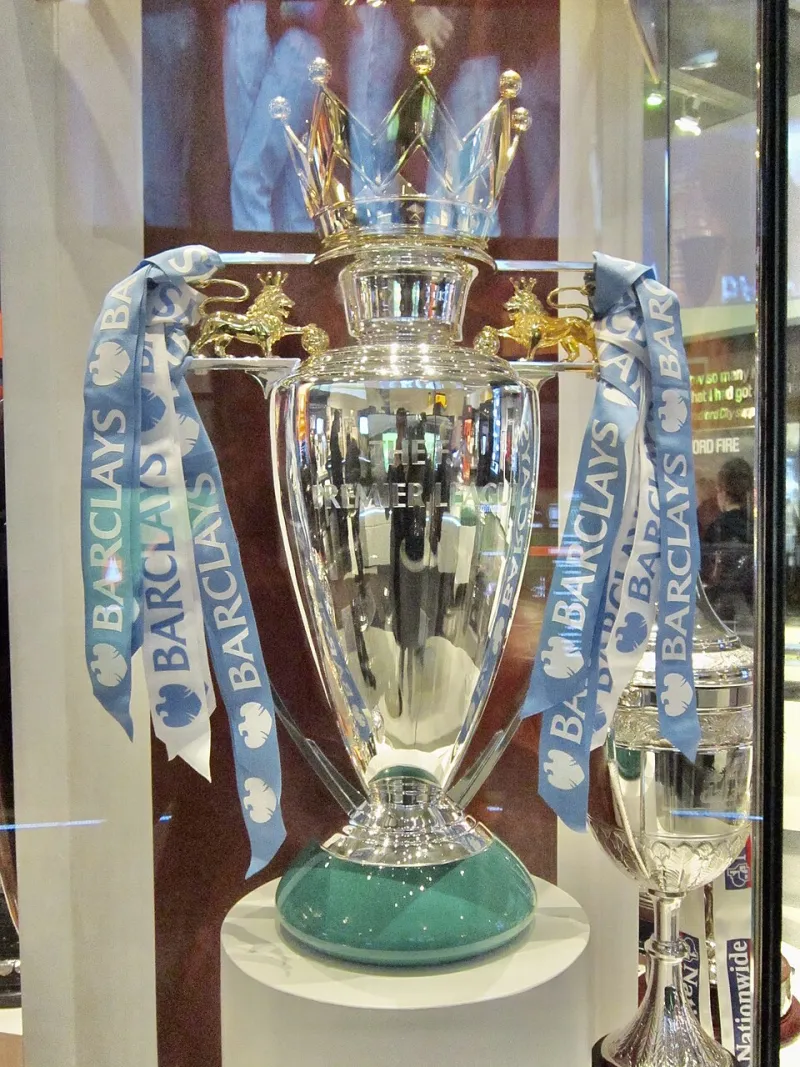
Photo: Ank Kumar, CC BY-SA 4.0, via Wikimedia Commons
There was a time when a manager making a change before 65 minutes was admitting a mistake. In 2026-27, it is more likely to be the plan. The bench has become a tactical lever rather than a fire exit, and the 60th minute is no longer the point where a game starts to drift. It is the point where the second one begins.
That shift is not just about having five substitutions available. It is about how managers think. The best benches now arrive at kick-off with two or three pre-planned scenarios: the chasing game, the protecting game, the chaos game. The worst benches still wait for something to happen and then react. Through the first 11 matchweeks of the season, the gap between those two approaches is one of the clearest tactical divides in the league.
The New Timeline
Look at the average time of a first substitution across the division and you will see a split. A cluster of clubs are making their first change before or around the hour. Another group are still waiting until the 70th minute or later. That difference matters because the modern Premier League game is increasingly won in the 60-80 minute window: legs go, spaces open, and the team that has already changed the shape or the tempo is often the one that scores.
The five-substitution rule, permanent since 2022, was sold as a player-welfare measure. It has become a squad-depth weapon. Clubs with genuine bench options can turn a tight 1-0 into a 2-0 or a 1-1 into a 3-1. Clubs without them can turn a tight 1-0 into a 1-1 and then spend the last ten minutes pretending that was the plan all along.
The Most Adventurous Benches
Brighton, Bournemouth and Brentford have been the most proactive. Brighton’s bench is less a list of replacements and more a set of alternative shapes. They will hook a winger for a wing-back, move a midfielder into the front line, and change the pressing height in one triple substitution. It can look chaotic. It is actually rehearsed.
Bournemouth are similar but more direct: early changes, fresh legs in wide areas, and a willingness to sacrifice a defender for an attacker before the 70th minute if the game is there to be won. Brentford’s use of the bench is quieter but equally deliberate. They often make one early like-for-like change to keep the press alive, then a second wave at 70 minutes to exploit the space that opens up.
The common thread is trust. These managers are not making early changes because they are panicking. They are doing it because they believe the players coming on can execute the same instructions at a higher intensity. That is a recruitment statement as much as a tactical one.
The Least Adventurous Benches
At the other end, Burnley, Everton and Wolves have been the most cautious. Their first changes tend to arrive later, and they are more often like-for-like than shape-shifting. That is not automatically wrong. A team fighting for every point may prefer continuity and a settled structure. But it does leave them vulnerable to the team that changes the game first.
The pattern is revealing. The cautious benches are often the ones with less attacking depth. When your bench options are defenders and defensive midfielders, you do not make adventurous changes. You make safe ones. The substitution pattern becomes a confession about the squad.
What It Says About Trust and Transfers
Bench usage is one of the most honest indicators of squad trust in the league. A manager who regularly makes a half-time hook is telling you something: either the starter is not doing the job, or the substitute has earned the right to be trusted. A manager who waits until 80 minutes is telling you something else: the gap between the XI and the bench is too wide.
That has transfer implications. Clubs that want to be more aggressive from the bench need to recruit for the 60-75 minute window, not just for the starting XI. That means players who can change tempo, not just fill a position. It means wide players who can play on both sides, midfielders who can press and pass, and forwards who are happy to be impact options rather than guaranteed starters. The best recruitment departments are already planning for this. The worst are still buying backups.
Winning Twice
The old idea was that a manager won or lost the game with the starting XI. The new idea is that the best managers win twice: once at kick-off and once from the 60th minute. The first win is the plan. The second win is the adjustment.
That is why the most impressive benches in 2026-27 are not necessarily the ones with the biggest names. They are the ones with the clearest roles. A substitute who knows exactly what he is being asked to do is worth more than a bigger name who is being thrown on to hope. The 60-minute manager is not a tinkerer. He is a planner. And in a league where fine margins decide so much, the bench is no longer the place where games end. It is where they are won.