Before the Whistle: The Pre-Match Clues Premier League Managers Can’t Hide
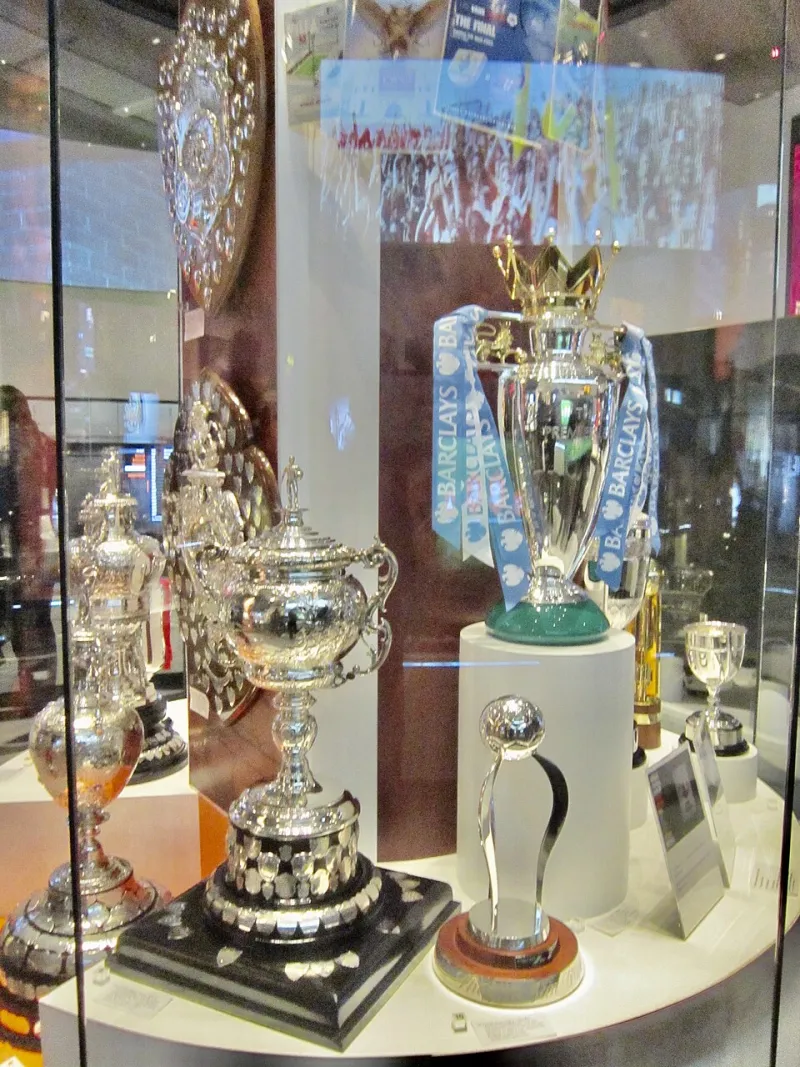
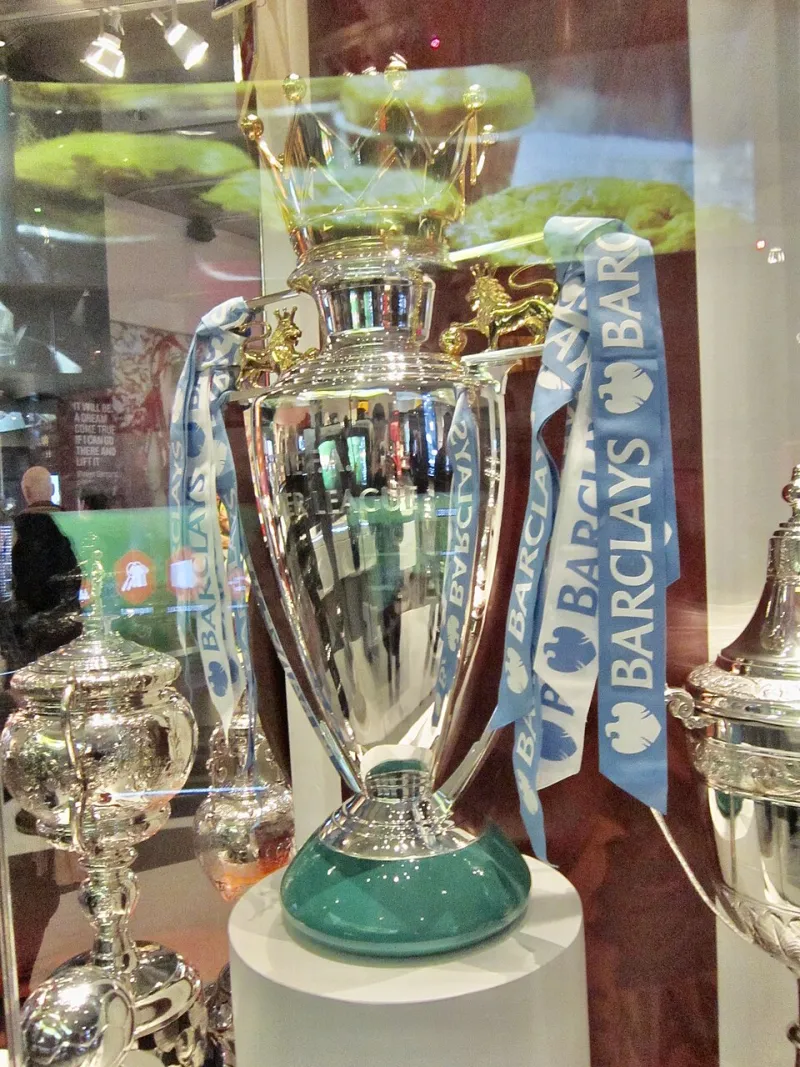
Photo: Ank Kumar, CC BY-SA 4.0, via Wikimedia Commons
There is a sweet spot in any Premier League matchday when the stands are half-full, the floodlights are on and the warm-up is still doing its thing. Most people treat it as background noise: a few stretches, a shooting drill, a goalkeeper waving at the Kop. But if you watch properly, the warm-up is the tell. It is the part of the afternoon when coaches still believe they can rehearse the future.
In 2026-27, with more cameras, more analysts and more fans arriving early to beat the concourse queues, those 20 minutes are less private than ever. And that is good news for the rest of us. You do not need a tactics board to spot the difference between a side planning to press high and a side planning to sit in a mid-block. You just need to know where to look.
Goalkeepers Are the First Draft
Start with the goalkeeper. Not the shot-stopping, the distribution. If the keeper spends his warm-up firing clipped passes into a full-back who is being closed down by a coach, you can bet the build-up plan involves short goal-kicks and a brave first line. If he is launching long diagonals towards a striker’s chest, the manager is probably preparing for a game where the first press has to be bypassed.
This is especially revealing at clubs who alternate between two keepers with different profiles. The warm-up tells you which version of the team is turning up. A keeper practising sweeper-keeper starting positions is a defender of a high line. A keeper practising deep positioning and quick counter-launches is a defender of a low block. It is not a guarantee, but it is a strong hint.
The Pressing Drill Never Lies
The most revealing drill is the one that looks least like football: a line of forwards practising curved runs towards a full-back, a midfield unit shuffling across, a back four stepping up together. That is not fitness work. That is the first defensive phase being rehearsed in public.
Watch the triggers. Does the front man press alone or wait for a midfield runner? Do the wide players jump inside or hold the touchline? Does the back line follow the press or stay deep? A team warming up with aggressive pressing triggers usually starts the match trying to win the ball in the opposition half. A team warming up with a compact, passive shape is usually happy to let the opposition have the ball in areas they do not fancy.
The best examples in the current Premier League are the sides who rehearse pressing as a collective rather than as a series of individual sprints. Brighton and Brentford have made a habit of it in recent seasons, and the pattern is easy to spot once you know what you are looking at. The warm-up looks organised because the plan is organised.
Huddle Language and Body Language
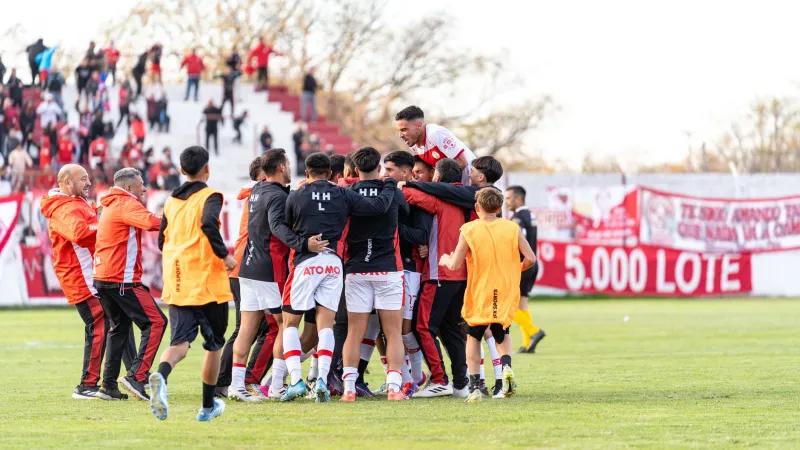
Then there is the huddle. It is easy to mock, but it is also a useful temperature check. Who speaks? How long does it last? Does the manager step in or hang back? A long, animated huddle after a flat warm-up can be a sign of a side trying to talk itself into a performance. A short, business-like huddle after sharp drills can be a sign of a team that already knows its job.
Body language in the final few minutes before kick-off is just as telling. New signings often look for instructions. Senior players often look for the referee. The goalkeeper often looks at the away end. None of it is science, but it is information. A team that looks loose and loud in the warm-up is not always better than a team that looks quiet and focused, but the contrast tells you something about the mood around the club.
Set-Piece Theatre
The other giveaway is set-pieces. Watch the first corner routine rehearsed in the warm-up. Is it a near-post cluster? A short corner? A blocker running interference? Is the defensive team marking zonally or man-for-man? These details often carry straight into the opening 15 minutes, especially at clubs who treat set-pieces as a serious source of goals.
You can also spot the designated delivery taker, the aerial target and the emergency defender who stays back. It is not quite a leak of the full playbook, but it is close enough to make the first corner of the game feel like a reveal.
Ranking the Most Revealing Pre-Match Rituals in 2026-27
- Goalkeeper distribution under simulated pressure. The clearest single clue to build-up intent.
- The shadow press. A team rehearsing pressing triggers without an opponent is telling you exactly how it wants to defend.
- Set-piece walkthroughs. Corners and free-kicks are choreographed in plain sight.
- The midfield rotation drill. Watch who drops and who pushes on; that is the shape in possession.
- The final-third finishing pattern. Cut-backs or crosses? It usually matches the first 10 minutes.
- The huddle. Less tactical, more emotional, but still a useful read on confidence.
- Individual full-back crossing. A clue to whether the width comes from full-backs or wingers.
- The rondo intensity. Not always revealing tactically, but it tells you who is sharp and who is not.
What to Watch Next
The warm-up is not a prophecy. A manager can change the plan after 10 minutes, a goal can wreck the script and a goalkeeper can shank the first pass into the stands. But the warm-up is still the best free tactical scout you will get all afternoon. Arrive early, ignore the shooting drill and watch the shape. The Premier League Owl verdict is simple: the game starts before the whistle.